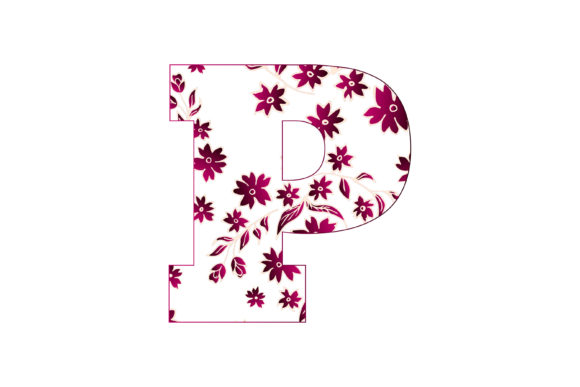
Choosing the Right Colorful Floral Alphabet P for Your Creative Projects
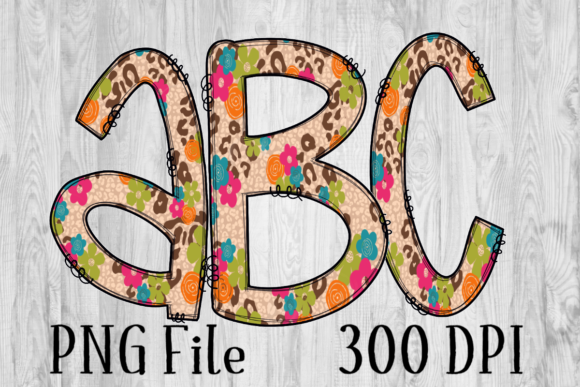
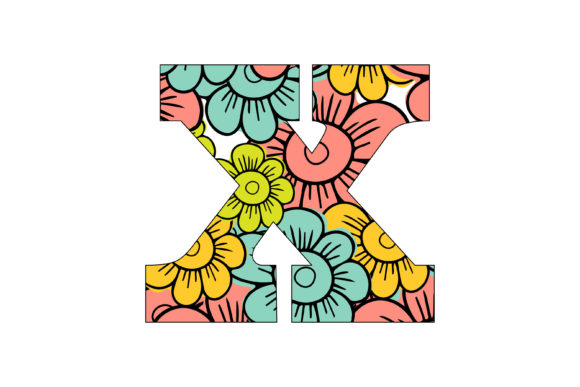
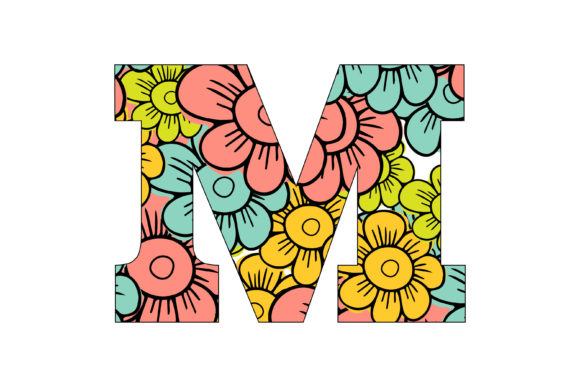
In the world of digital design assets, a Colorful Floral Alphabet P stands out as a versatile and beautiful tool. It's not just a single letter; it represents a gateway to personalized, nature-inspired artwork for everything from custom mugs to boutique apparel. This specific design, often packaged with a matching colorful floral pattern background and available in formats like .EPS, .JPG, and .PNG, is crafted for high-quality printing at 300 dpi. Its appeal spans beginners looking for a ready-made element to professionals seeking a base for further customization. The interest is understandable, but selecting and using these files effectively requires a bit of savvy to avoid common pitfalls that can undermine your project's quality.
The High-Resolution Misunderstanding
A frequent oversight occurs with the term "300 dpi." Many assume that any file labeled as such is automatically ready for any print scale. However, the physical dimensions of the .JPG or .PNG file are crucial. A Colorful Floral Alphabet P at 300 dpi might be only 2 inches square in its native file size. If you try to print it on a large poster without resizing, you'll force the software to interpolate pixels, resulting in a blurry, pixelated letter. The better approach is to check the actual pixel dimensions of the included support files. For instance, a file that is 600 pixels wide at 300 dpi is inherently 2 inches wide. For a poster, you need source files with pixel dimensions large enough to maintain 300 dpi at your desired print size, or you need the scalable .EPS vector file.
Vector vs. Raster: Choosing the Wrong File Type
The bundle typically includes both .EPS (vector) and .JPG/.PNG (raster) files. Using a raster file (.PNG) for a project that requires scaling, like a keychain that later needs to be adapted for a t-shirt, is a common mistake. Raster files have fixed pixels; enlarging them degrades quality. The .EPS file, however, contains vector information, allowing infinite scaling without loss of detail. Always use the .EPS file for any application where the final size might change or is unknown upfront, such as client apparel orders where logo size varies. Save the high-resolution .PNG for fixed-size, direct digital uses like web graphics.
Ignoring the Pattern Background's Role
The colorful floral pattern background is often treated as mere bonus content, but its thoughtful use can elevate a design. A mistake is to place the ornate Colorful Floral Alphabet P directly onto a busy pattern without considering contrast and readability. This can make the letter illegible, especially on smaller items like stickers. The corrective advice is to treat them as separate, complementary elements. Use the solid letter on a plain area of the pattern, or conversely, use the pattern as a subtle border or fill *within* the letter's outlines if the file supports layering. This creates harmony without sacrificing function.
Another subtle error is overlooking file compatibility with your software. Not all programs, especially free or beginner-friendly apps, can open .EPS files. Assuming you can immediately use the vector asset might lead to frustration. Before purchase or download, verify that your design software (even if it's an online tool) supports .EPS import. If it doesn't, your workflow will depend entirely on the raster .PNG files, which limits scalability. This check is a simple step that prevents wasted time and ensures you can fully utilize the quality you paid for.
Print Medium Neglect
The description says "ready to print on keychain, mug, t-shirt," but each medium has different technical requirements. Using the same file settings for a dark garment and a white ceramic mug often leads to poor results. For dark fabrics, the design needs a solid underbase for vibrancy, which the typical Colorful Floral Alphabet P .PNG file with transparency may not provide. A better approach is to consult with your printer (whether it's you or a service) about file prep. For direct-to-garment printing, they might need the design on a white background. For vinyl cutting for keychains, they may need a specific color-separated version. Always ask for the printer's specifications and adapt the provided files accordingly, rather than sending the generic download.
Overestimating Customization Ease
The allure of a floral alphabet svg design is strong, but many beginners misunderstand the "customization" aspect. These files are often final art, not building blocks. A common error is trying to manually change the color of each individual flower in the letter using basic software, which is extremely time-consuming and often yields messy results. If color customization is your goal, look for files that are explicitly layered or include color separation guides. Otherwise, a more realistic and efficient approach is to use the design as-is, and alter the *background* or add *text* around it to personalize the item. This respects the integrity of the intricate artwork while achieving a unique outcome.
Finally, a practical mistake is not verifying the license or terms of use. Even high-quality files at 300 dpi come with usage restrictions. Using a Colorful Floral Alphabet P for a commercial t-shirt line without checking if the license permits commercial resale can lead to legal issues. Before applying the design to any product for sale, review the license details. Most marketplace downloads allow personal and limited commercial use, but some may restrict the number of sales or require attribution. This due diligence protects your business and respects the creator's work.
A Checklist for Success
Before you finalize your project using a Colorful Floral Alphabet P, pause and run through this quick list. Confirm the pixel dimensions of your raster files match your print size. Decide if your project requires the scalable .EPS vector file and ensure your software can use it. Plan how the letter and background pattern will interact for clarity. Contact your print service provider to confirm their specific file requirements for your chosen medium (mug, apparel, etc.). And always, double-check the license terms to align with your intended use. By paying attention to these often-overlooked details, you transform a beautiful digital file into a stunning, professional-quality physical product that truly reflects your creative vision.