Elevate Your Creative Workflow with 80 Floral Bouquets Clipart Graphic
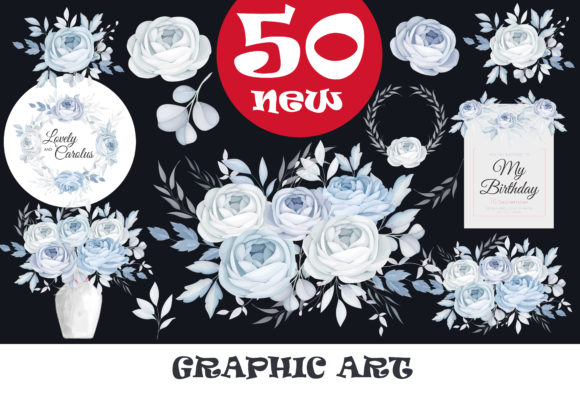
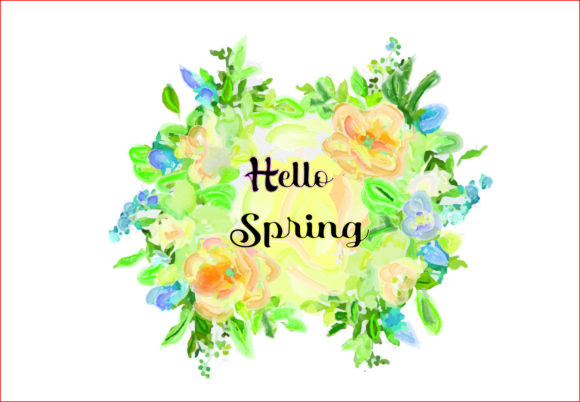
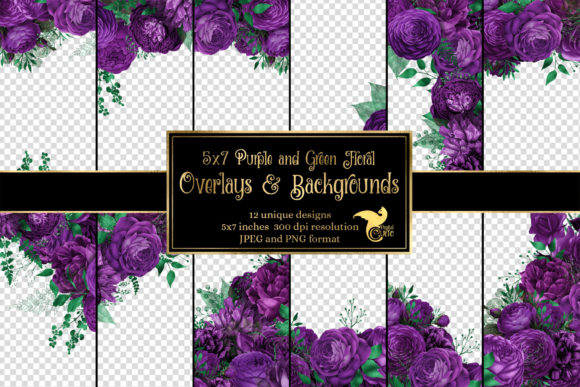
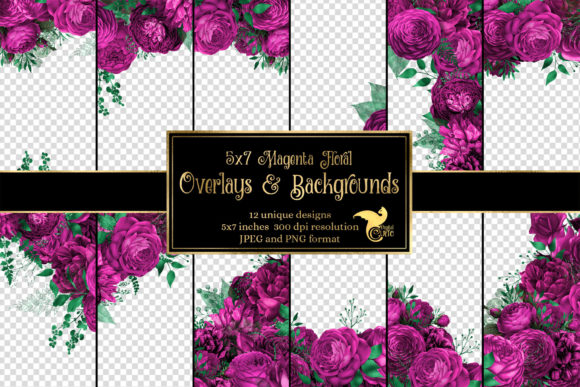
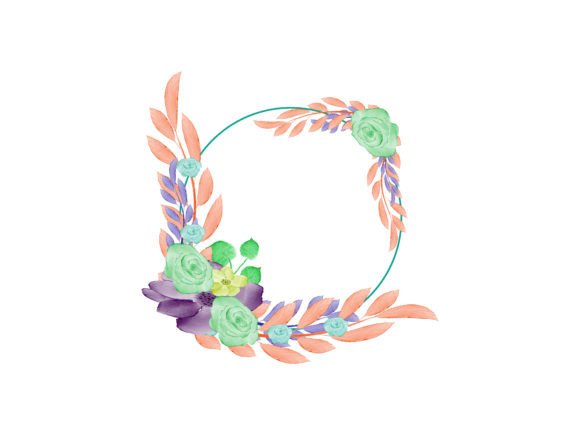
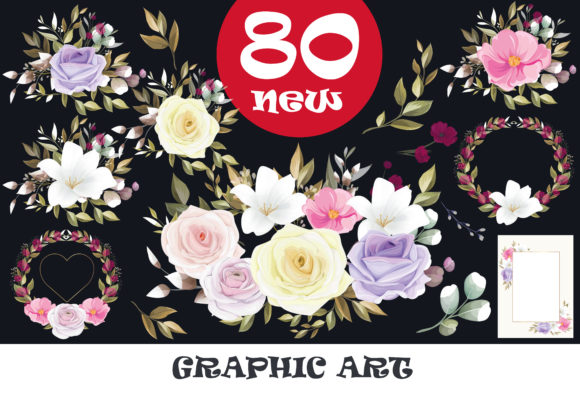
For anyone involved in digital creation—whether for professional branding, personal projects, or commercial products—the availability of high-quality, versatile graphic assets is a foundational part of the workflow. The 80 Floral Bouquets Clipart Graphic collection is precisely this type of asset. It represents a curated set of 80 individual PNG files, each featuring a distinct, colorful rose and floral element, designed with a transparent background and high 300 dpi resolution. This collection is not merely a bundle of pretty images; it's a practical toolkit that integrates into the planning and execution stages of a wide array of creative processes.
A Tool for Systematic Creativity
The value of this collection lies in its structure and completeness. Having 80 distinct elements means you can approach a project with a system, rather than scrambling for disparate assets. Before a project begins, during the concept and mood board phase, these graphics can serve as visual anchors. A blogger planning a spring-themed series might use a few floral PNGs to mock up banner concepts quickly. A small business owner designing wedding invitation samples can experiment with different floral arrangements without committing to a final illustration. This pre-production flexibility saves time and allows for more confident decision-making.
During the active execution of a project, the collection functions as a modular component library. Because each file is separate and transparent, you can combine, layer, and modify elements to build complex compositions. Think of it like a digital floral toolkit: you have stems, leaves, blooms, and bouquets in various colors and styles. This enables a non-linear workflow. You might start with a central rose element for a logo draft, later add leaf accents to a product label, and finally use a full bouquet for a promotional blog post background, all from the same coherent asset set. This maintains visual consistency across different deliverables, a key factor in brand building and quality control.
Integration with Common Platforms and Methods
The technical specifications—PNG format with transparency and high dpi—ensure broad compatibility, which is a critical consideration for workflow integration. These files work seamlessly with standard design software like Adobe Photoshop, Illustrator, Canva, Affinity Designer, and even presentation tools like PowerPoint or Google Slides. For educators creating classroom materials, the files can be easily inserted into worksheets or digital slides. For crafters using digital cutting machines, the high-resolution details ensure clean print transfers.
Organization is another practical aspect. Managing 80 files effectively is part of the implementation. A recommended tip is to immediately categorize them upon download—perhaps by color group, element type (single rose, cluster, leaf), or intended use. This simple preparatory step transforms the collection from a zip file into a ready-to-use resource library within your digital workspace. It increases efficiency when you're in the middle of a design task, preventing the need to browse through all 80 files each time.
Use Cases Across Professional and Personal Workflows
The application of the 80 Floral Bouquets Clipart Graphic extends far beyond a single niche. Its utility is defined by the user's overarching goal.
For marketers and entrepreneurs, these elements can accelerate content creation. Social media posts, email newsletter headers, and website banner updates often require fresh visuals. Having a pre-approved, royalty-free floral set means you can produce seasonal campaigns or promote floral-related products without licensing delays or cost overruns. The assets interact directly with your content calendar and marketing funnel; you can plan a "Floral Friday" post series knowing you have all the graphical components ready.
For freelancers and publishers, particularly in the wedding, lifestyle, or wellness sectors, this collection serves as a reliable asset for client work. It provides a professional baseline quality, allowing you to focus on client customization and layout rather than asset creation. You can integrate these PNGs with stock photography, client text, and brand colors to produce cohesive invitations, program brochures, or website mock-ups. This supports a scalable workflow where you can maintain high output quality across multiple clients.
For hobbyists and productivity-minded users engaged in crafts, scrapbooking, or stationery design, the collection simplifies the digital-to-physical transition. You can print elements onto cardstock, vinyl, or fabric with confidence in the resolution. Your workflow might involve selecting a subset of 5-10 favorite elements for a specific scrapbook album, ensuring a thematic unity throughout the project. This long-term use of a curated subset from the larger library demonstrates how a comprehensive resource can support focused, repeatable processes.
Observations for Efficient Long-Term Use
A few practical observations emerge when considering this graphic set as a permanent part of your toolkit. First, its breadth prevents creative stagnation. With 80 options, you are unlikely to overuse a single graphic, which helps keep your outputs feeling original over time. Second, the transparent background is not just a technical feature; it's a workflow facilitator. It allows for rapid experimentation with different background colors or textures without tedious cropping, directly impacting the speed of iteration. Third, the colorful nature of the set means it can adapt to different color schemes. By using software to subtly adjust hues, you can align the roses with a specific brand palette, making the collection a flexible partner to your other primary design decisions.
Finally, the integration of such a graphic collection is often most smooth when it's paired with a clear folder structure on your computer and possibly linked to a cloud storage for team access. For small business teams, establishing a "Brand Assets/Digital Elements" folder where this collection resides alongside logos and fonts creates a centralized hub. This reduces friction when multiple people are involved in a project, ensuring everyone uses the same high-quality elements, thereby upholding consistency—a non-negotiable in professional execution.
From Asset to Outcome: Streamlining the Creative Process
The ultimate role of the 80 Floral Bouquets Clipart Graphic in a workflow is to reduce friction and increase quality. It sits between your initial idea and your final product. By removing the need to source, verify, or create base floral imagery for each new task, it saves cognitive energy and time. This allows you to allocate more effort to the strategic and creative aspects that matter: layout, messaging, user experience, and emotional impact.
Whether your process is linear—plan, design, review, publish—or more agile with constant iteration, having a reliable, versatile visual component library means one part of the equation is solved. You can move from a blank canvas to a populated draft in minutes. For the blogger, that means faster publication. For the crafter, that means more finished projects. For the entrepreneur, that means a more robust and visually appealing brand presence across touchpoints. The collection, therefore, is not just about the 80 files; it's about the hundreds of projects they can empower, consistently and efficiently, integrated into the real-world workflows of dedicated creators.