Watercolor Wedding Decor: The Art of Digital Elegance
In the world of event planning and creative design, a quiet revolution has been unfolding. Gone are the days when beautiful stationery meant costly printing, physical samples, and lengthy production waits. Today, the marriage of timeless artistic techniques like watercolor with modern digital delivery is opening new doors for creators and celebrants alike. Central to this movement are exquisite digital assets, such as floral clipart and specifically sized watercolor flower envelopes, designed to bring effortless sophistication to personal projects.
This article explores the purpose, significance, and practical magic of digital watercolor wedding decor. We will build an understanding from the ground up, examining how these delicate digital illustrations fit into modern creativity, business, and daily life, and clarifying the common assumptions about what it means to "buy" art in the digital age.
From Brush to Pixel: Understanding Digital Watercolor Art
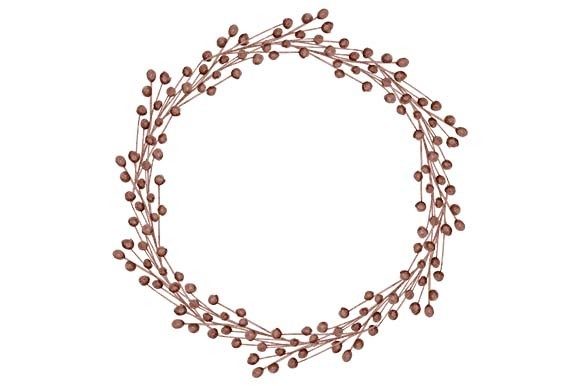
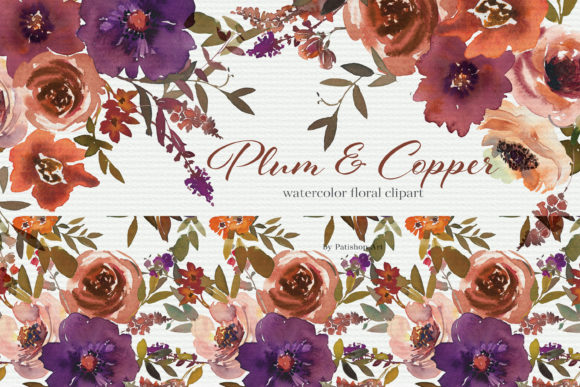
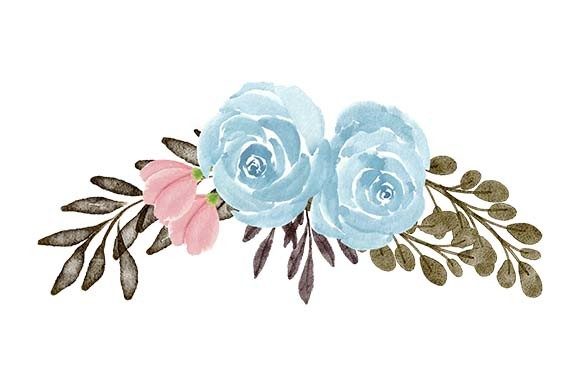
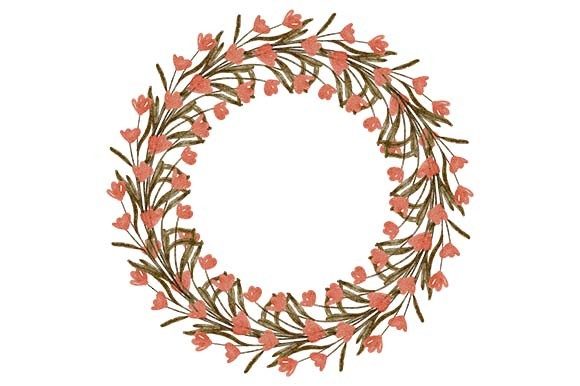
Watercolor painting is revered for its soft washes, gentle gradients, and organic feel. Translating this aesthetic into digital format requires artistic skill and technical precision. A digital watercolor element, like a floral clipart or an envelope design, begins as a physical painting or a meticulously crafted digital illustration that mimics the watercolor technique. This artwork is then scanned or created at a high resolution, ensuring every nuanced brushstroke and color blend is preserved.
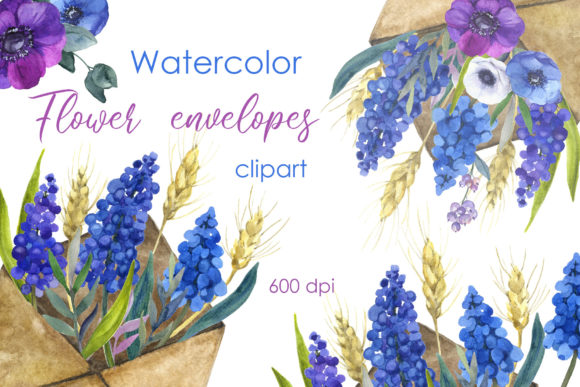
The key specification—such as Length 7 inches Width 5.5 inches—is not arbitrary. This size is carefully chosen to be practical and versatile. It aligns perfectly with standard invitation and postcard dimensions, making it a ready-to-use template for popular projects. When an artist offers this, they are providing a foundational canvas that has already been optimized for real-world application.
The Significance of High-Resolution Digital Files
When the description mentions 2 PNG elements at 600 dpi each, this is a critical detail for quality. DPI (dots per inch) refers to the resolution or density of the image. A 600 dpi file is exceptionally high-resolution, meaning it contains a vast amount of visual information per inch. This allows the artwork to be printed at its intended size (7x5.5 inches) with absolute crispness, no blurring, and perfect color fidelity. Even if you enlarge it slightly for a bigger card, the quality remains robust. The PNG format is chosen because it supports transparency, meaning the beautiful watercolor envelope can be placed over any background without a ugly white border, seamlessly integrating into your design.
The Purpose and Practical Relevance: Beyond Wedding Invitations
While often sparked by the search for wedding decor, the utility of these assets extends far beyond a single event. Their purpose is to serve as versatile, high-quality building blocks for personal and professional creativity.
- Postcards & Invitations: The primary use. The envelope design can frame your text for wedding, birthday, anniversary, or baby shower invites, creating a cohesive, elegant suite.
- Stickers & Scrapbooking: The separate floral clipart elements are perfect for cutting out as digital or print stickers, adding charm to scrapbook pages, journals, or gift tags.
- Digital Marketing & Business: Small businesses can use these refined graphics in email newsletters, social media posts, or digital thank-you cards to clients, adding a touch of personal, artful branding.
- Educational & Crafting Projects: Teachers or parents can incorporate them into creative lesson materials or DIY craft kits for children.
The overarching relevance is empowerment. These files turn anyone with basic access to design software (even free online tools) into a capable designer, able to produce professional-looking items without needing to hire an illustrator or learn advanced painting techniques.
Clarifying the Digital Download Model
A common misunderstanding arises from the note: "Please note that no physical item will be sent. This artwork is intended for digital download only." This is the core of the modern digital creative economy. You are purchasing the artwork file itself, the license to use it, not a printed product. This model offers immense benefits:
- Immediate Access: Files are available shortly after payment, eliminating shipping delays.
- Cost-Effectiveness: You pay for the design once but can use it repeatedly for multiple projects or print as many copies as you need.
- Environmental & Practical Flexibility: You print only what you require, reducing waste. You can also resize or slightly modify the digital file within your software to suit last-minute changes.
Receiving a zip file with the separate elements is a professional standard. It keeps the high-resolution files organized and intact, ensuring you get both the envelope and the floral clipart as independent, usable components.
How This Fits into Modern Creative Life
In an era where personalization is valued and DIY culture thrives alongside technology, digital watercolor assets sit perfectly at the intersection. They satisfy the desire for unique, beautiful items while leveraging the efficiency of digital tools. For the busy professional planning a wedding, it means crafting invitations that look custom-designed without the custom-design cost and timeline. For the hobbyist, it means accessing professional-grade art to elevate personal projects. This model supports small artist-run businesses, allowing illustrators to share their work globally without logistical hurdles.
Examples in Action: Building a Broader Understanding
Let's visualize how a purchase of these specific assets naturally unfolds into finished projects.
Example 1: A Wedding Invitation Suite. You download the zip file. Using a simple design program, you open the 7x5.5 inch watercolor envelope PNG. You add your text ("Join us for our wedding...") over the transparent center. You then use the separate floral clipart PNGs to create a matching motif on the reception details card or as a decorative border on your wedding website. You send the final files to a local printer or print them at home.
Example 2: A Branded Thank-You Card. A small floral shop purchases the assets. They use the watercolor envelope design as a backdrop for a digital thank-you email sent after every order. The floral clipart is used as a recurring graphic on their Instagram posts, creating a consistent, soft, and artistic brand identity.
These examples show that the product is not merely a picture; it is a creative component, a tool that integrates into your process.
Engaging with the Artist: The Human Element
The note, "Please contact me if you have any questions..." and the hope for a review highlights the personal connection in this digital marketplace. Unlike buying a mass-produced item from a large corporation, you are often purchasing directly from the artist. This direct line for questions ensures you can clarify usage rights, ask about slight modifications, or get technical help, fostering a supportive community. Leaving a review is profoundly impactful for these independent creators, helping their art reach others who need it.
Final Thoughts: Embracing Digital Art for Physical Beauty
Watercolor wedding decor in the form of digital downloads represents a perfect synergy of old-world artistry and new-world convenience. It demystifies design, making high-end aesthetics accessible. By understanding that you are receiving a high-resolution, versatile, and professionally crafted digital file—not a physical product—you unlock its full potential. Whether for a momentous life event like a wedding, a business need, or a simple creative hobby, these assets invite you to add a touch of handmade, watercolor elegance to your world, with the simplicity of a download and the power of your own creativity.
So the next time you seek that perfect floral touch for your project, consider the digital watercolor path. It’s more than just buying an image; it’s investing in a flexible, beautiful resource that can blossom across countless aspects of your modern, creative life.