The Visual Language of Colorful Floral Alphabet U
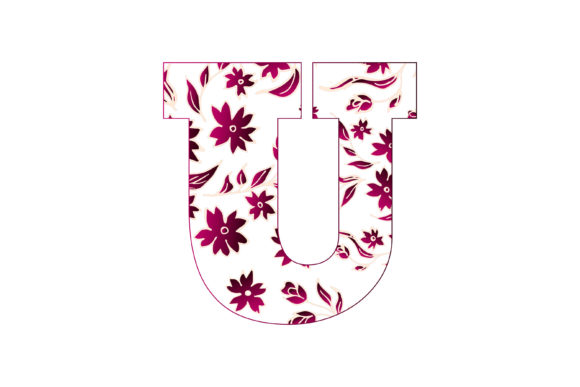
In the expansive world of digital design assets, specific files often become focal points for both creative expression and commercial application. Among these, the Colorful Floral Alphabet U represents a unique convergence of artistry and utility. This singular letter design, typically available as part of a broader floral alphabet set, encapsulates a style where typography and natural illustration merge. It is not merely a graphic but a component of a visual language system designed for embellishment and communication.
Understanding the File Ecosystem
When one encounters a listing for a Colorful Floral Alphabet U, it is almost always accompanied by a suite of file formats and supporting materials. The description mentioning .EPS, .JPG, .PNG files, along with high quality at 300 DPI, outlines a professional-grade digital product. Each file type serves a distinct role in the creator's workflow. The .EPS file is a vector format, crucial for scalability without loss of quality; this means the intricate floral patterns within the letter "U" can be enlarged or reduced infinitely for applications ranging from a small keychain to a large poster. The .JPG and .PNG files offer rasterized versions, often used for quick previews, digital mock-ups, or in contexts where vector support is limited. The inclusion of multiple formats demonstrates an understanding of end-user needs, catering to different software proficiencies and project requirements.
The Core Design Characteristics
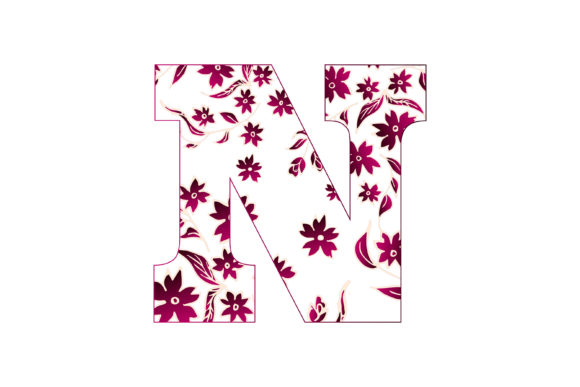
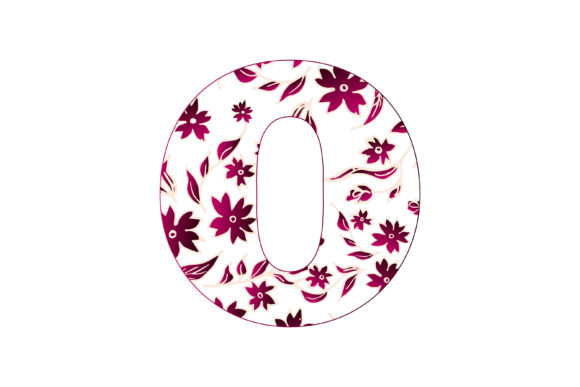
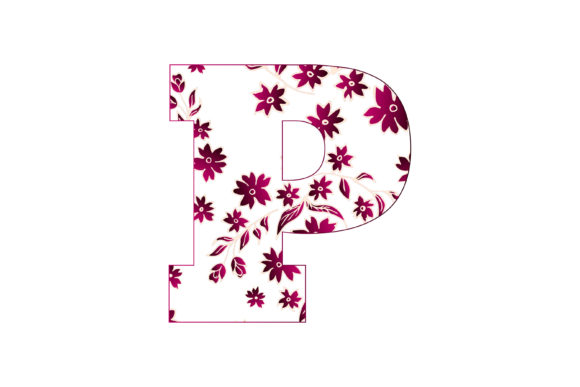
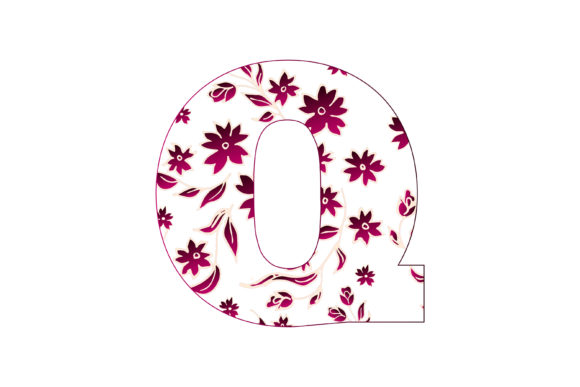
The defining feature of the Colorful Floral Alphabet U is, of course, its integration of floral elements into the letterform. This is not a simple overlay; the floral pattern typically becomes the structural substance of the letter itself. Leaves, petals, stems, and blossoms are arranged to form the shape of "U," often with a vibrant, multi-colored palette. This pattern lettering technique transforms a basic alphabetic symbol into a decorative art piece. The design prioritizes aesthetic richness while maintaining legibility—the letter must still be recognizable as "U." This balance is a key consideration, as the success of such an asset depends on its usability as both a decorative element and a communicative glyph.
Primary Advantages for Creators and Businesses
The practical value of such a specialized design file extends across several dimensions. First is the advantage of time efficiency. A designer or small business owner seeking a floral-themed letter "U" does not need to embark on the complex illustration process from scratch. They acquire a ready-made, high-quality asset. Second is the guarantee of consistency. If using multiple letters from the same floral alphabet set, the style remains uniform, which is vital for branding or cohesive product lines. Third, and perhaps most significant, is the versatility granted by the multi-format package. The 300 DPI resolution ensures that printed products—like the mentioned mugs, t-shirts, and stickers—will have sharp, clear imagery, a non-negotiable requirement for professional merchandise.
Real-World Applications and Use Cases
The listed applications—keychain, mug, t-shirt, sticker, apparel, clothing, poster—are not merely suggestions but reflect common marketplaces for such designs. Consider a boutique that sells personalized gifts. A customer named "Uma" might want a custom mug. Using the Colorful Floral Alphabet U as the central letter, surrounded by simpler standard letters for the rest of the name, creates a product with a focal point of elegance. In the realm of apparel, a t-shirt for a gardening club or a floral festival might use the letter "U" prominently in its logo or slogan. Educators, particularly in art or botany, might use these assets to create visually engaging teaching materials or classroom decorations. The pattern lettering SVG format is especially important for web-based creators, allowing for easy integration into websites or digital publications without file size concerns.
Strategic Considerations for Implementation
While the advantages are clear, effective use requires some strategic thought. One must consider the context of the entire message. A Colorful Floral Alphabet U is inherently ornate; using it for every letter in a long word could result in a visually overwhelming and illegible outcome. It is often best employed as an accent letter—the first letter of a name, a central initial in a logo, or a standalone decorative element. Another consideration is color adjustment. While the file comes with its own colorful palette, designers might need to recolor the .EPS vector file to match specific brand colors or product material constraints. This is where the vector format's editable nature becomes a crucial benefit over a fixed raster image.
Observing Trends in Pattern Lettering
The popularity of assets like the Floral Alphabet SVG design connects to broader trends in design and consumer taste. There is a sustained appeal for nature-inspired motifs, a blending of organic forms with geometric structures. This floral alphabet style sits alongside trends in mandala lettering, geometric animal silhouettes, and other pattern-based typography. It responds to a demand for personalization that feels artistic and hand-crafted, even when produced digitally and scaled commercially. The "U" specific file indicates that there is also a market for individual letters, allowing buyers to purchase only what they need rather than a full alphabet, which speaks to a pragmatic, project-focused approach among hobbyists and small-scale entrepreneurs.
The Audience: From Professionals to Hobbyists
The utility of this design asset spans a remarkably broad audience. Graphic professionals might integrate it into larger commercial projects for clients. Small business owners in the print-on-demand or custom merchandise space use it as a core inventory item. Creators and crafters utilize it for personal projects or to sell their own handmade goods. Educators and researchers might find it useful for creating visually distinct materials. Even consumers with minimal design experience, using simple software that accepts .PNG files, can drag and drop the letter into a template to create a personalized item. This wide applicability is a direct result of the thoughtful file package—providing both expert-level vector files and accessible raster images.
The discussion around a single design file, such as the Colorful Floral Alphabet U, reveals much about the current landscape of digital creativity. It highlights how specialized artistic content is packaged for practical utility, how format inclusivity bridges skill gaps, and how a simple alphabetic character can be reimagined as a vessel for pattern and color. Its relevance is tied not just to its beauty but to its adaptability across mediums, from the digital screen to the physical surface of a mug or apparel. This transformation from a decorative idea to a ready-to-print file embodies a key pathway in modern design workflow, where artistry meets application, and individual elements fuel personalized creation.